
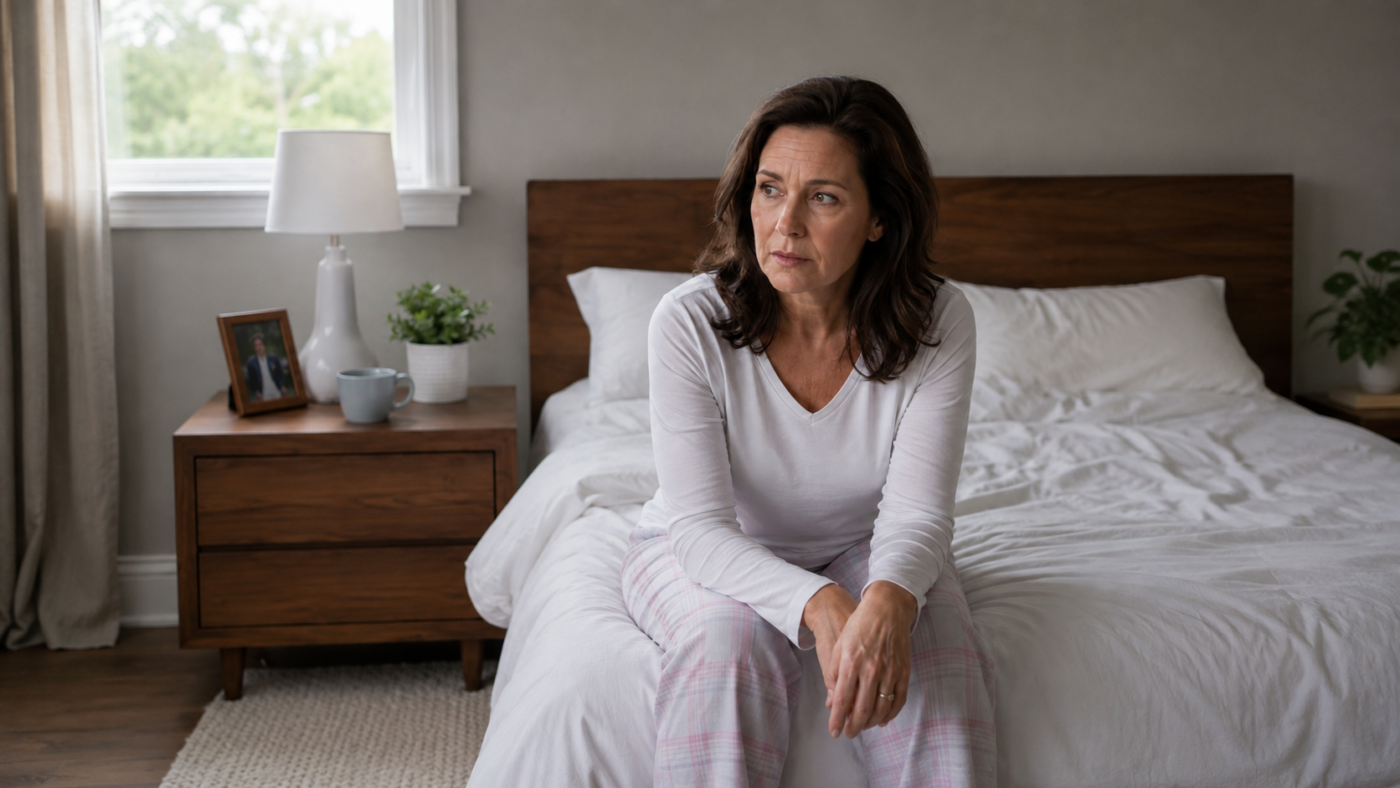
Have you started feeling “off” lately, even though you cannot point to one reason? Maybe your period arrived early, you woke up drenched in sweat, or you walked into a room and forgot why you were there. These changes can feel random, but together they may be early signs of perimenopause—the transition leading up to menopause.
Menopause is officially reached after 12 consecutive months without a menstrual period. The months or years before that point are called perimenopause. During this stage, estrogen and progesterone levels fluctuate, which can affect your cycle, sleep, mood, temperature, vaginal health, and more. Perimenopause commonly begins in the 40s. Every woman’s experience is different during this important transition, so you may have several symptoms or only one or two.
Here are 15 early signs worth paying attention to.
1. Your Periods Become Unpredictable
A changing menstrual cycle is often one of the first noticeable signs of perimenopause. Your period may come sooner than expected, arrive weeks late, or last longer. This happens because ovulation becomes less predictable as hormone levels shift.
Do not assume every cycle change is “just menopause,” though. Speak with a healthcare professional if your periods suddenly become very close together or last more than a week.
2. Your Bleeding Is Heavier or Lighter
The amount of bleeding can change too. Some women notice light spotting, while others experience a much heavier flow or more clots than usual. These changes can be part of perimenopause, but unusually heavy bleeding deserves medical attention because fibroids, thyroid problems, medications, and other conditions can also affect your period.
Changes may be normal during this transition, but that does not mean you should ignore them. Tell your healthcare provider what has changed, particularly if bleeding is interfering with your daily life.
3. You Suddenly Feel Hot
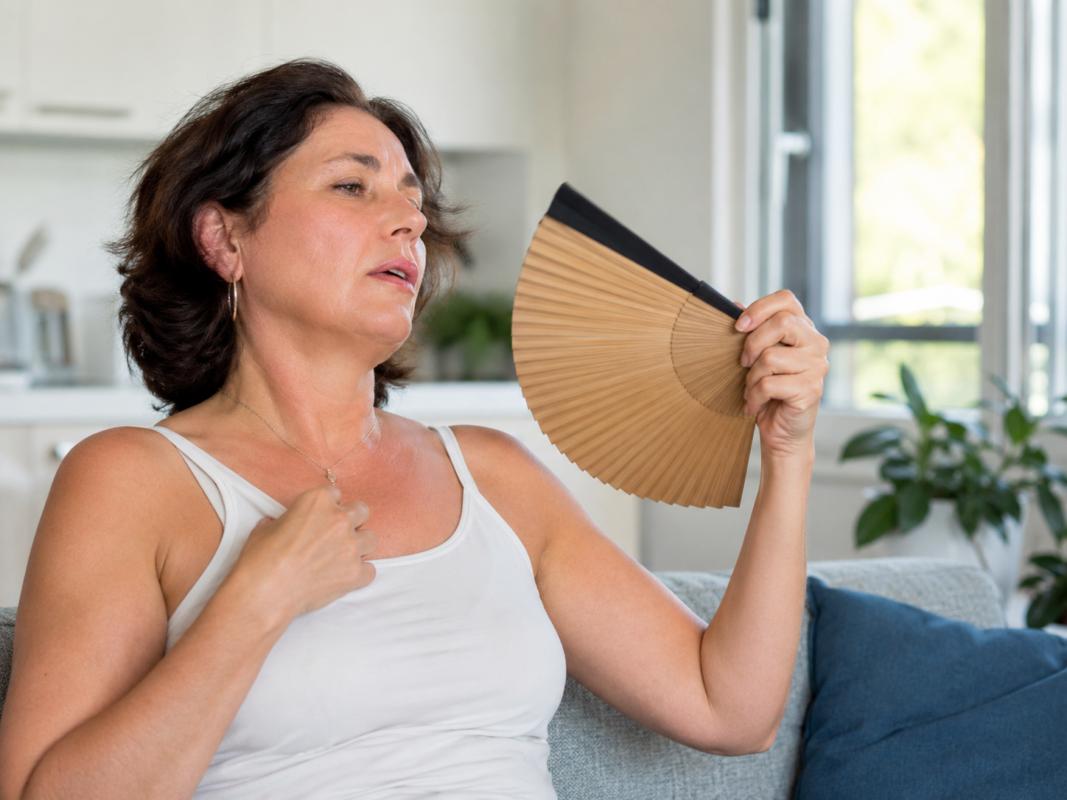
A hot flash can feel like heat rushing through your face, neck, chest, or upper body. You may become flushed, sweaty, dizzy, anxious, or aware of your heartbeat. Some hot flashes last less than a minute; others continue for several minutes. They can happen occasionally or several times a day.
Even a mild, unexpected wave of heat may be an early clue, especially when it happens repeatedly without an obvious cause.
4. You Wake Up Sweaty
Night sweats are hot flashes that happen while you sleep. You might wake with damp pajamas, wet sheets, or a sudden chill after sweating. Besides being uncomfortable, night sweats can repeatedly interrupt deep sleep and leave you exhausted the next day.
Keep your bedroom cool and use breathable sleepwear, but talk with your doctor if sweating is severe or accompanied by fever, unexplained weight loss, or other unusual symptoms.
5. You Cannot Sleep Like You Used To
Maybe you struggle to fall asleep, wake at 3 a.m., or feel tired even after spending enough hours in bed. Night sweats can contribute, but sleep problems may also occur without them. Poor sleep can then make irritability, anxiety, forgetfulness, and fatigue feel worse.
Track when the problem started and how often it happens. That information can help your healthcare professional see whether hormones, stress, medication, sleep apnea, or another issue may be involved.
6. Your Mood Changes Quickly
One minute you feel fine; the next, a small inconvenience makes you unusually angry or tearful. Mood swings and irritability are commonly reported during perimenopause. Hormonal changes may play a role, but disrupted sleep, work pressure, caregiving, relationship stress, and other midlife demands can add to the emotional load.
Your feelings are real, and you do not need to simply “push through.” Support and treatment are available.
7. You Feel More Anxious or Low
Some women notice new anxiety, a lower mood, or a sense that they are no longer quite themselves. Menopause does not automatically cause depression, and emotional symptoms should never be dismissed. If sadness, worry, hopelessness, or panic is affecting daily life, contact a healthcare or mental health professional.
Seek urgent help immediately if you are thinking about harming yourself.
8. You Experience Brain Fog
Forgetting a familiar name, losing your train of thought, or struggling to concentrate can be unsettling. Memory and focus problems are frequently reported during the menopausal transition. Poor sleep and stress may make them more noticeable.
Occasional forgetfulness does not necessarily mean something serious, but sudden confusion, major personality changes, weakness, trouble speaking, or rapidly worsening memory should be assessed promptly.
9. Your Headaches Change
Hormonal fluctuations may make headaches or migraines more frequent or intense in some women. You may notice that headaches appear around irregular periods or after a poor night’s sleep.
A new severe headache, a “worst-ever” headache, or one accompanied by weakness, vision loss, fainting, chest pain, or difficulty speaking needs urgent medical evaluation rather than being blamed on menopause.
10. Your Heartbeat Feels More Noticeable
Palpitations may feel like fluttering, pounding, racing, or skipped beats. They can occur during a hot flash or anxiety episode, but they can also have other causes, including thyroid disease, anemia, caffeine, medication, or a heart rhythm problem.
Mention recurring palpitations to your doctor. Get urgent help if they come with chest pressure, fainting, severe breathlessness, or pain spreading to the arm, back, neck, or jaw.
11. Vaginal Dryness or Irritation Appears
As estrogen decreases, vaginal tissue can become thinner, drier, and less elastic. You may notice dryness, itching, burning, irritation, or less natural lubrication. These symptoms are common, but they are not something you must silently tolerate.
Moisturizers, lubricants, and prescription treatments may help. A clinician can also rule out infection, skin conditions, or other causes.
12. Sex Becomes Uncomfortable
Dryness can make penetration painful, and some women experience changes in arousal, orgasm, or sexual desire. Libido may decrease, increase, or simply feel different. Relationship stress, medications, fatigue, and health conditions can also affect sexual wellbeing.
Pain during sex should be discussed with a healthcare professional, particularly if you also notice bleeding, unusual discharge, sores, or pelvic pain.
13. Your Bladder Habits Change
You may need to urinate more often, feel a sudden urge, wake during the night, or leak urine when laughing, coughing, or exercising. Lower estrogen levels can affect tissues around the vagina, urethra, and bladder. Some women also experience more urinary tract infections.
Burning during urination, blood in the urine, fever, or back pain should be checked because these may indicate an infection or another urinary condition.
14. Your Joints and Muscles Ache
Stiff shoulders, sore knees, aching hips, or general muscle discomfort can appear during the menopausal transition. Aging, inactivity, injuries, autoimmune disease, and other conditions may cause similar symptoms, so persistent pain should not be automatically labeled hormonal.
Regular movement and strength training may help overall health, but swelling, redness, severe pain, or loss of function deserves medical advice.
15. Your Body, Skin, or Hair Starts Changing
You may gain weight more easily, notice more fat around your waist, lose muscle, develop drier or itchier skin, or see your hair thinning. Hormones, aging, sleep, activity, diet, medications, and medical conditions can all contribute.
Instead of blaming yourself, focus on patterns. Rapid unexplained weight change, patchy hair loss, extreme fatigue, or other sudden changes should be evaluated.
When Should You Talk to a Doctor?

You do not have to wait until symptoms become unbearable. Make an appointment when changes interfere with your sleep, work, relationships, sex life, or emotional wellbeing. Keeping a simple record of periods, hot flashes, sleep, mood, and other symptoms can make the conversation more useful.
Bleeding after 12 months without a period should always be checked. You should also seek care for very heavy bleeding, bleeding between periods or after sex, severe pelvic pain, or symptoms that feel sudden or alarming.
The early signs of menopause can be confusing because they overlap with stress, thyroid disorders, anemia, pregnancy, medication effects, and many other conditions. Pay attention without panicking. Your body is giving you information—not failing you. With reliable guidance and the right support, this transition can become much easier to understand and manage.
